VITO

Project Partner

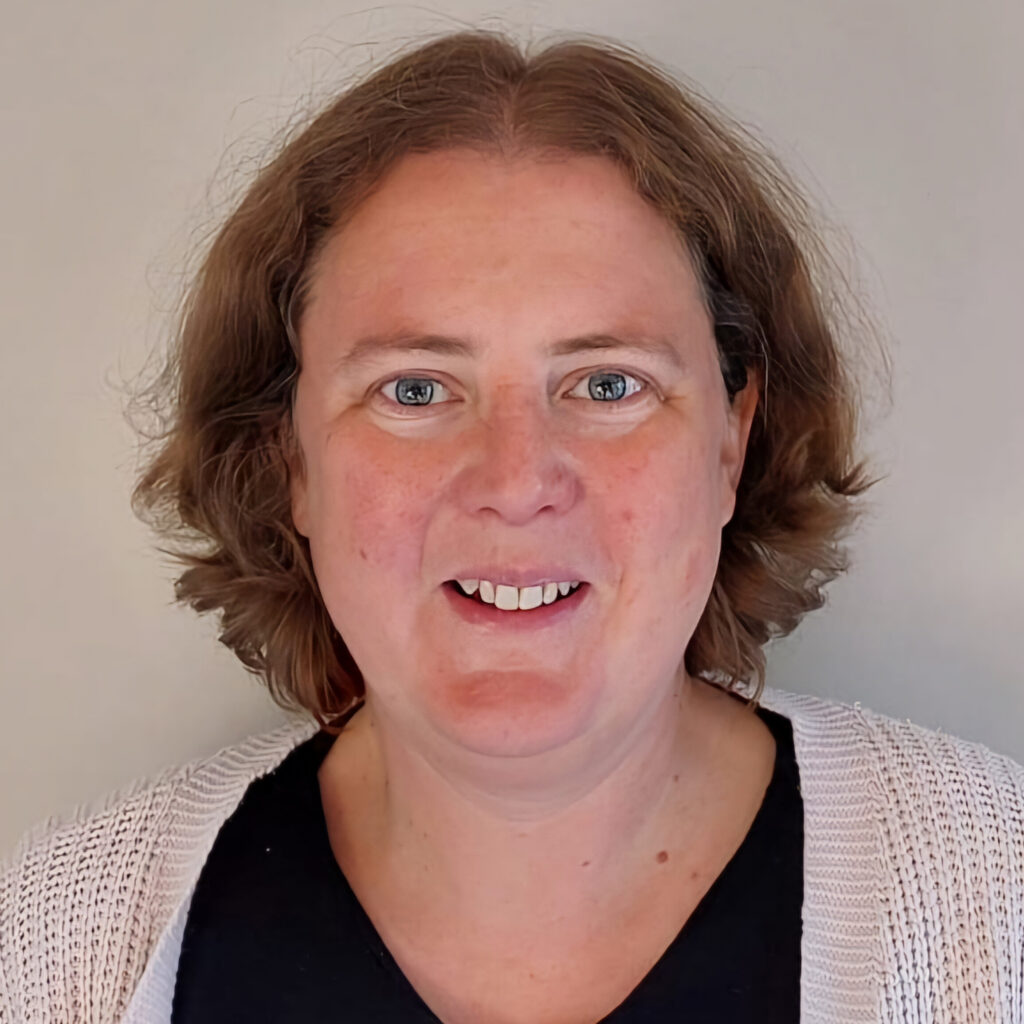
Kris De Sitter

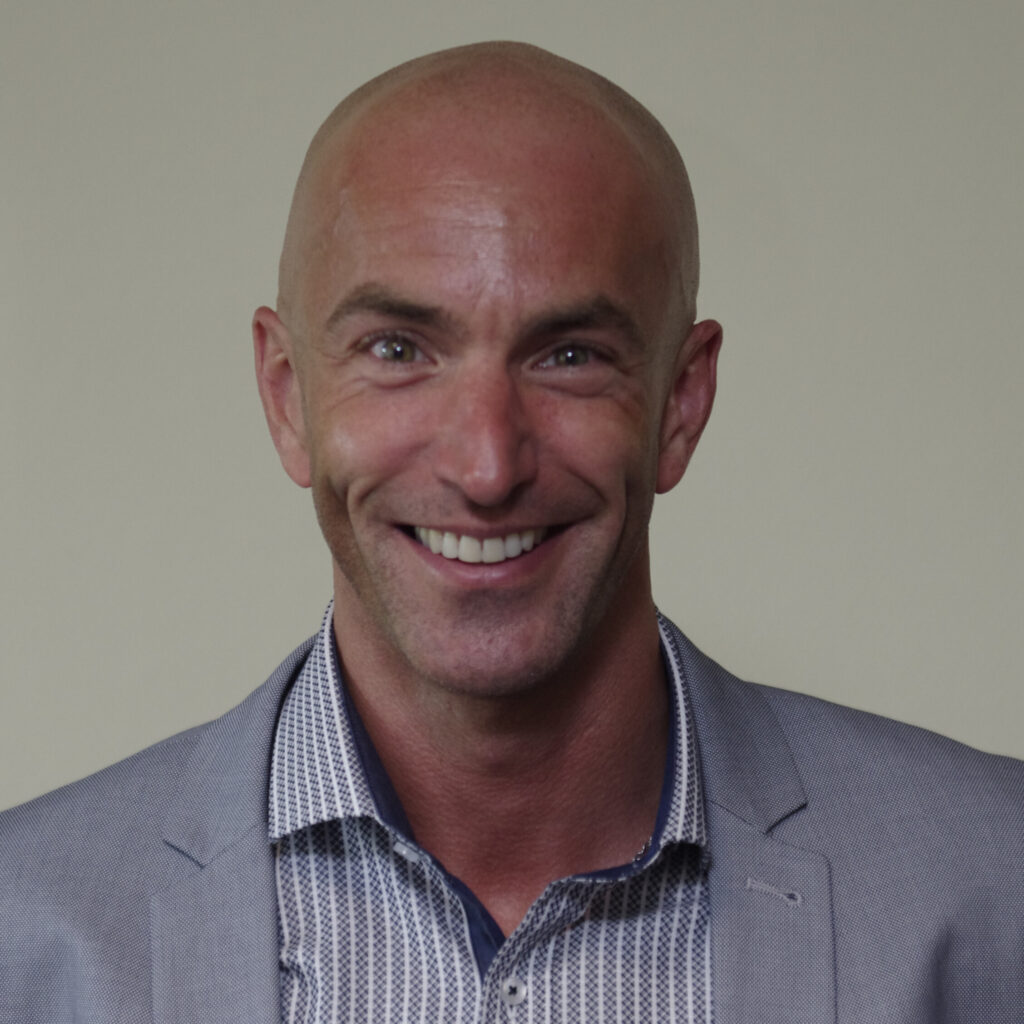
Roel Vleeschouwers

Researcher Membrane Technology, Coordination VITO activities

Business Development Manager, Business Development

Description of VITO

VITO, one of Europe’s leading research centres with 1,300 employees, turns scientific insights into groundbreaking technological innovations, AI solutions, and policy advice. We do so with a single objective: to help the world thrive for at least 1,000 more years. As a science-to-technology partner, we support companies, governments, and society in their sustainability transition. With our multidisciplinary approach and unique lab, scale-up, and testing infrastructure, we create practical technological innovations. We accelerate progress towards a regenerative economy that reinforces planetary boundaries (prioritising electrification and circularity), smart climate solutions for resilient and secure ecosystems, and a healthy living environment harmonising humans, industry, agriculture, and nature. 

In the Business Unit Materials & Chemistry, strategic research is mainly focused around resource circularity, bio-economy and process transformation for sustainable chemistry. In this framework, we have over 25 years of practical experience in the field of membrane science and technology covering a wide variety of aqueous as well as organic solvent-based membrane processes, down-stream, hybrid or in-process. 
What is your task in the project LIGNOFUN?

VITO is responsible for development and up-scaling of the downstream processing train (DSP) for recovery, concentration and purification of cis,cis-muconic acid (ccMA) from fermentation broths. This DSP is a crucial intermediate between bioconversion of lignin-derived monoaromatics into ccMA, catalytic conversion into adipic acid and application in polymer synthesis. Therefore, a close collaboration with partners involved in these steps (incl. RISE, RISE Processum, NY and Moses) is of utmost importance.   

Role, Relevance & Interfaces in the Project

Since DSP is a critical determinant of final product quality, price and application potential, achieving high recovery and purity is crucial. Therefore, a range of (membrane) separation techniques – including innovative technologies such as tight membrane-based reactive extraction – need to be combined into a DSP train. The challenge is to do this in an environmentally sustainable, scalable, but also economically viable way.  

Contact us

Vito
Boeretang 200,
2400 Mol
Belgium

Funded

The project is supported by the Circular Bio-based Europe Joint Undertaking and its members. Funded by the European Union. GA ID 101214432. Views and opinions expressed are however those of the author(s) only and do not necessarily reflect those of the European Union or CBE JU. Neither the European Union nor the CBE JU can be held responsible for them.

© 2025 CLIB. All rights reserved